Better Call Fallback

Designing resilient services
Tomasz Nurkiewicz
About this talk
Building resilient services by assuming failures will happen and preparing for them. It walks through practical patterns like retries, circuit breakers, bulkheads, idempotency, and outbox, plus how to test and observe them. The goal is to design systems that degrade gracefully instead of breaking completely.
The talk focuses on designing services that can survive and recover from failures instead of pretending they won’t happen. It shows why the “happy path” mindset is dangerous in production, where rare bugs surface quickly at scale. Engineers are guided through a set of proven resilience techniques: retries with backoff and jitter, circuit breakers, timeouts, throttling, and bulkheading to contain failures. For asynchronous systems, it covers queues, DLQs, idempotency, and the outbox pattern to handle retries without duplication. In distributed systems, it discusses leader election, offline-first strategies, and clear separation of liveness vs. readiness probes. Architectural safeguards like dry runs, sagas, compensating transactions, graceful degradation, and killswitches are highlighted as essential for containing damage when things go wrong. Testing resiliency with chaos engineering tools and monitoring through metrics, logs, and traces are stressed as key practices. Finally, the cultural side: post-mortems, pre-mortems, and production readiness—ensures teams take failures seriously and learn from them. The message is simple: failures are inevitable, but with the right patterns, they don’t have to take your system down.
Key takeaways from this talk:
- Failures Are the Norm, Not the Exception
- Core Resiliency Patterns: fallbacks, retries, circuit breakers, bulkheading
- Asynchronous & Distributed System Strategies
- Architectural & Operational Safeguards
- Cultural Practices for resilient programming
You keep using that word happy path
If builders built houses the way programmers built programs,Gerald Weinberg
the first woodpecker to come along would destroy civilization
Fragile
One in a million
...happens every 15 minutes at 1k RPS
P99 latency
facebook.com makes 350 HTTP requests
How to...
- ...avoid
- ...deal with
- ...bypass
...failures
Part I: RPC
try-catch
-
Repay loan
-
Send bank transfer
-
Update daily report
-
Generate PDF
-
Send report over email
-
Wait for SMTP confirmation
-
SocketException
-
-
Wait for SMTP confirmation
-
Send report over email
-
Generate PDF
-
Update daily report
-
Send bank transfer
Fallback
Retries

Retry-After HTTP header
Retry-After HTTP header in practice
Exponential backoff
...and jitter
Timeouts
12 minutes!
                    64 bytes from 216.58.212.14: icmp_seq=9720 ttl=114
                    time=749147.422 ms
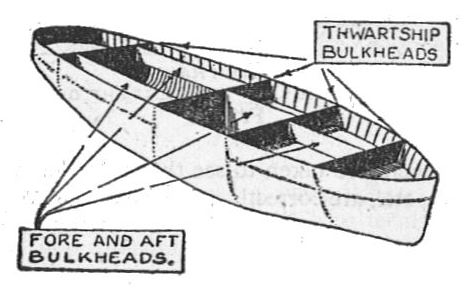
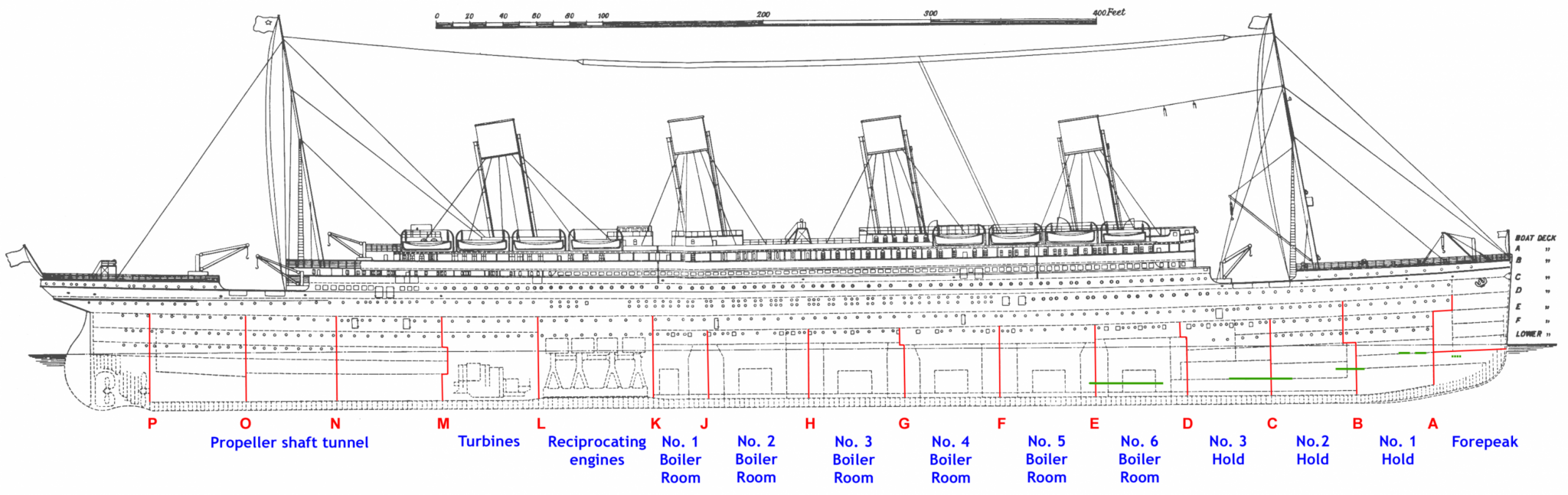
Bulkheading
 source
Throttling
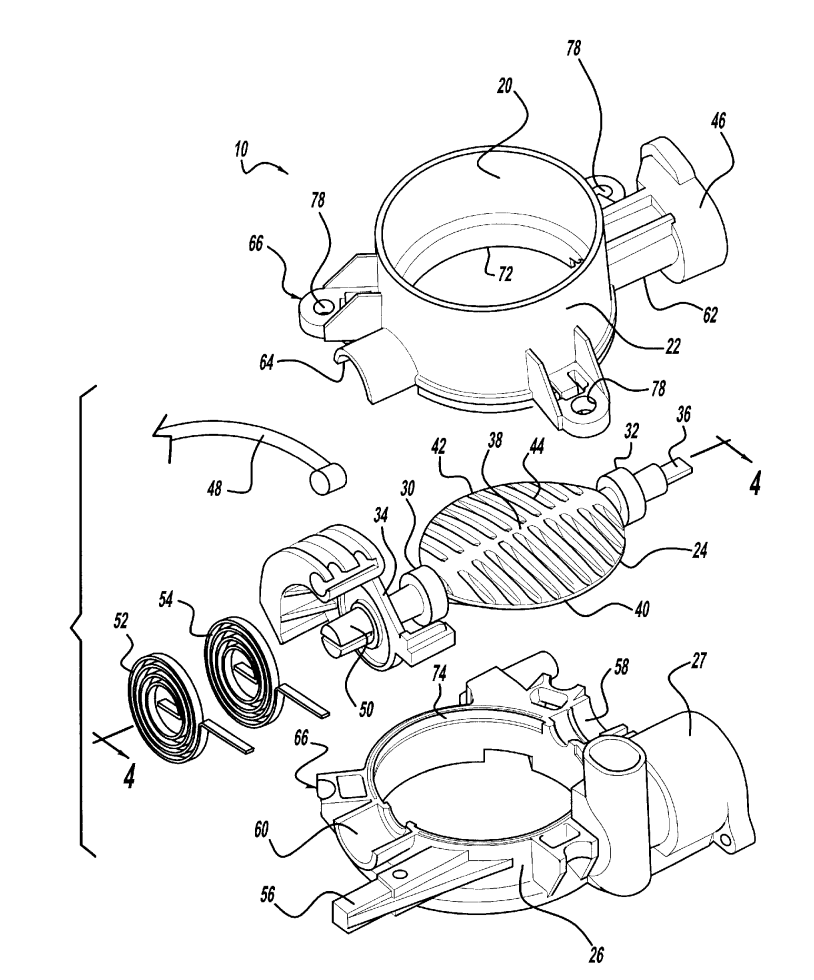
Circuit Breaker
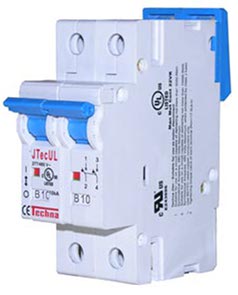
To consider
- What conditions open it? 4xx vs 5xx
- Does it ever close?
- Granularity?
Thundering herd problem

Cache stampede
How a Cache Stampede Caused One of Facebook’s Biggest Outages

Part II: Asynchrony
You won't get a failure

if you don't wait for the result
Thread pools
But also:
- Coroutines/Goroutine
- Virtual threads
- Actors/agents
Message queue
Receiver is broken...
- retries?
- timeouts?
- DLQ
- head-of-line blocking?
At-least once
Idempotency
E.g.:Idempotency-Key HTTP Header
datatracker.ietf.org/doc/draft-ietf-httpapi-idempotency-key-header
Outbox pattern
Part III: distributed systems
Leader election
Leader ≠ singleton workerLocal database
Think: asynchronous replication, local SQLite
Offline-first
Failure backlog
Liveness vs Readiness
Part IV: Architecture
Dry run
aka. simulation
terraform plan
Compensating transaction
Saga
Throttling side effects
"we sent 700 thousand text messages to one person"
Killswitch
Knight Capital took a [...] loss of $440 million in 45 minutes
Knight Capital Group: 2012 stock trading disruption
$1m per 6 seconds. Bill Gates makes < $8k per 6 seconds
Graceful degradation
Tiered services
Testing resiliency
Chaos engineering

Toxiproxy
                    Proxy mysqlProxy =
                        client.createProxy("mysql", "localhost:13306", "localhost:3306");
                    mysqlProxy
                        .toxics()
                        .latency("latency", DOWNSTREAM, 100)
                        .setJitter(15);
Observability
- Metrics
- Logs
- Traces
Death by a thousand dashboards
...and by millions of $ in APM bill
Part V: Culture
- Post-mortem
- Pre-mortem
- Production readiness
Further reading
Thank you!